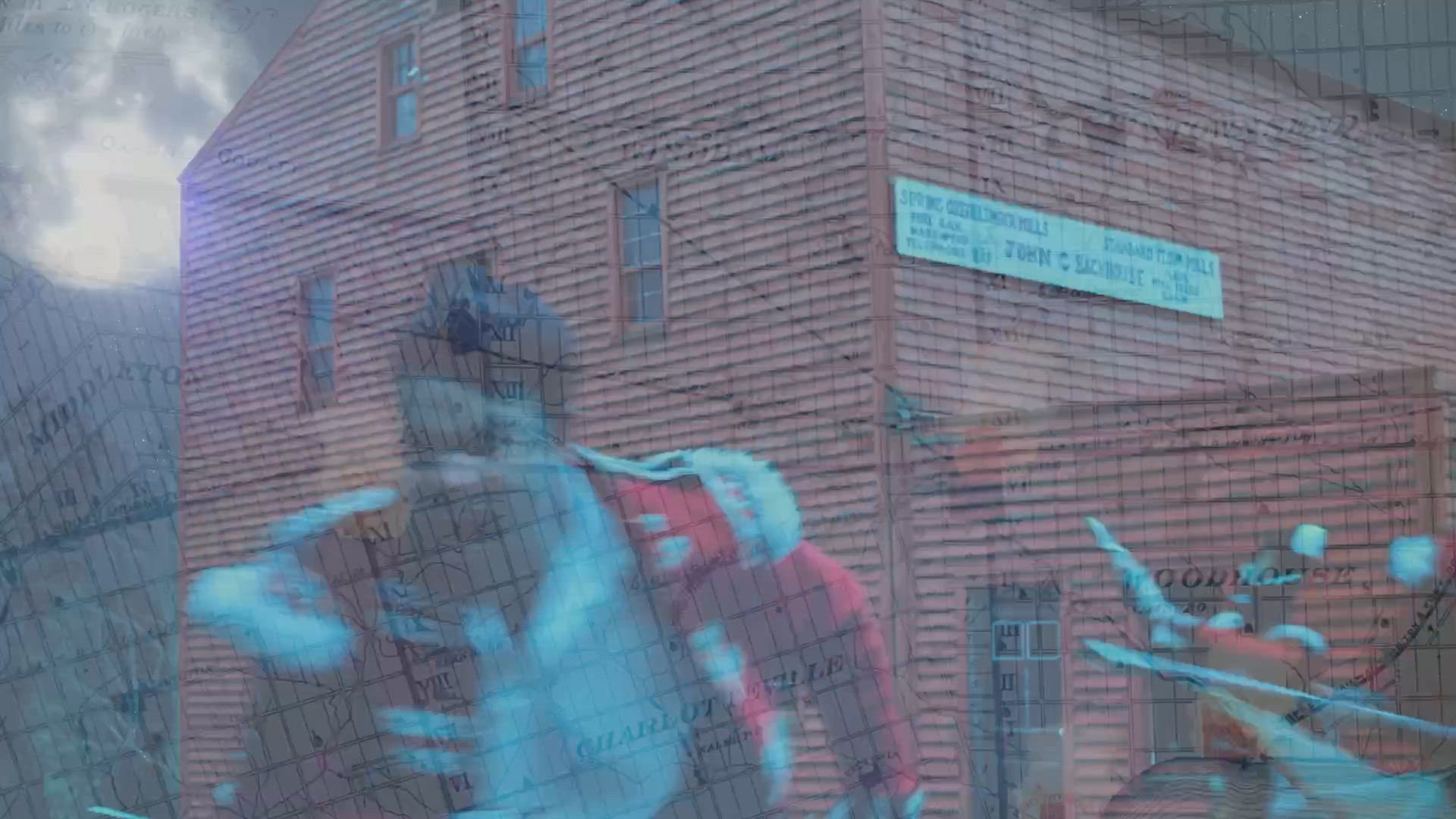
Save the Backhouse Grist Mill
- The Backhouse Grist Mill survived the war of 1812, weather, and centuries of change. Your vote helps protect a National Historic Site, restore a beloved community landmark, and ensure its stories live on.
- Save the Backhouse Grist Mill
- Backhouse Grist Mill
- Long Point Region Conservation Authority
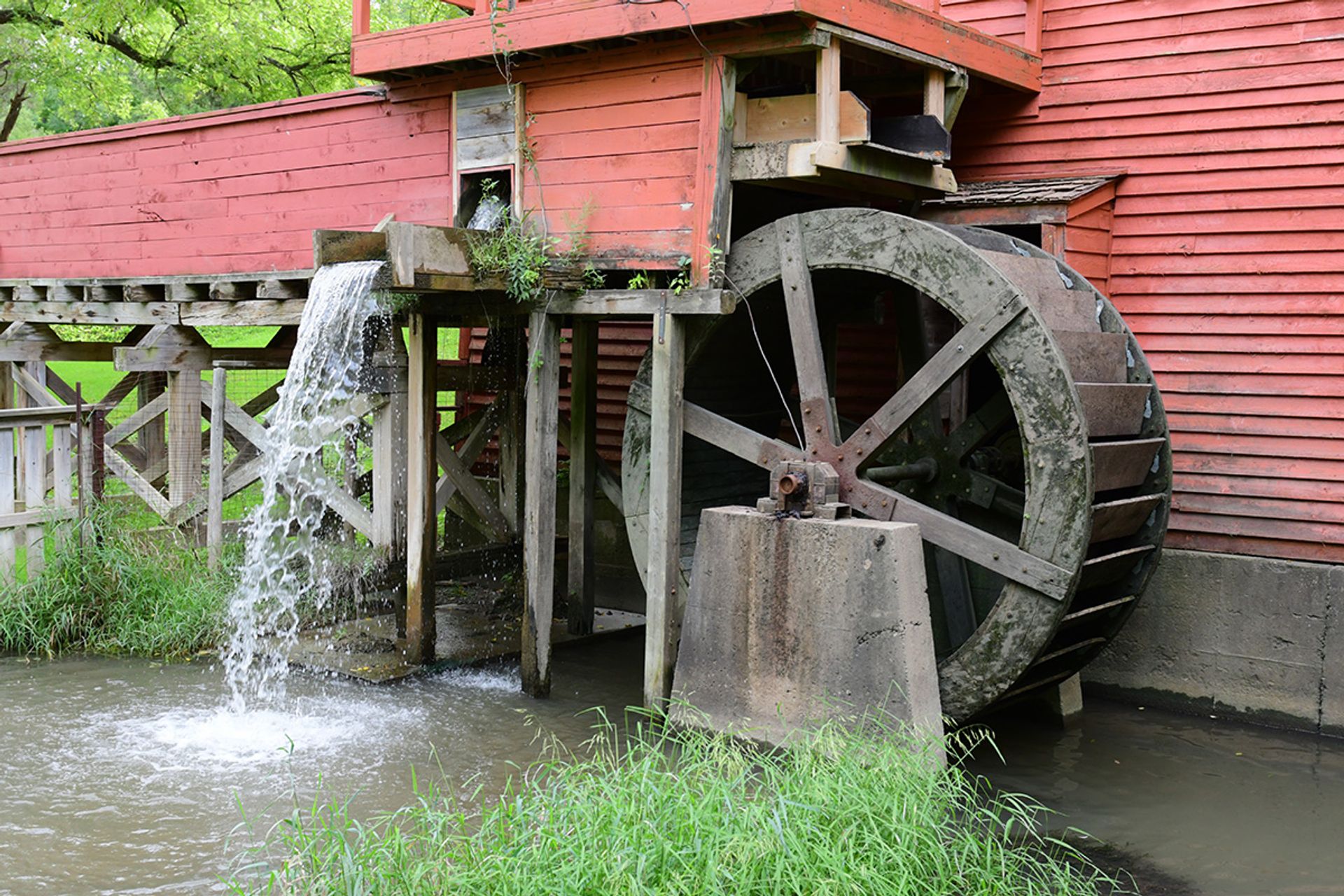
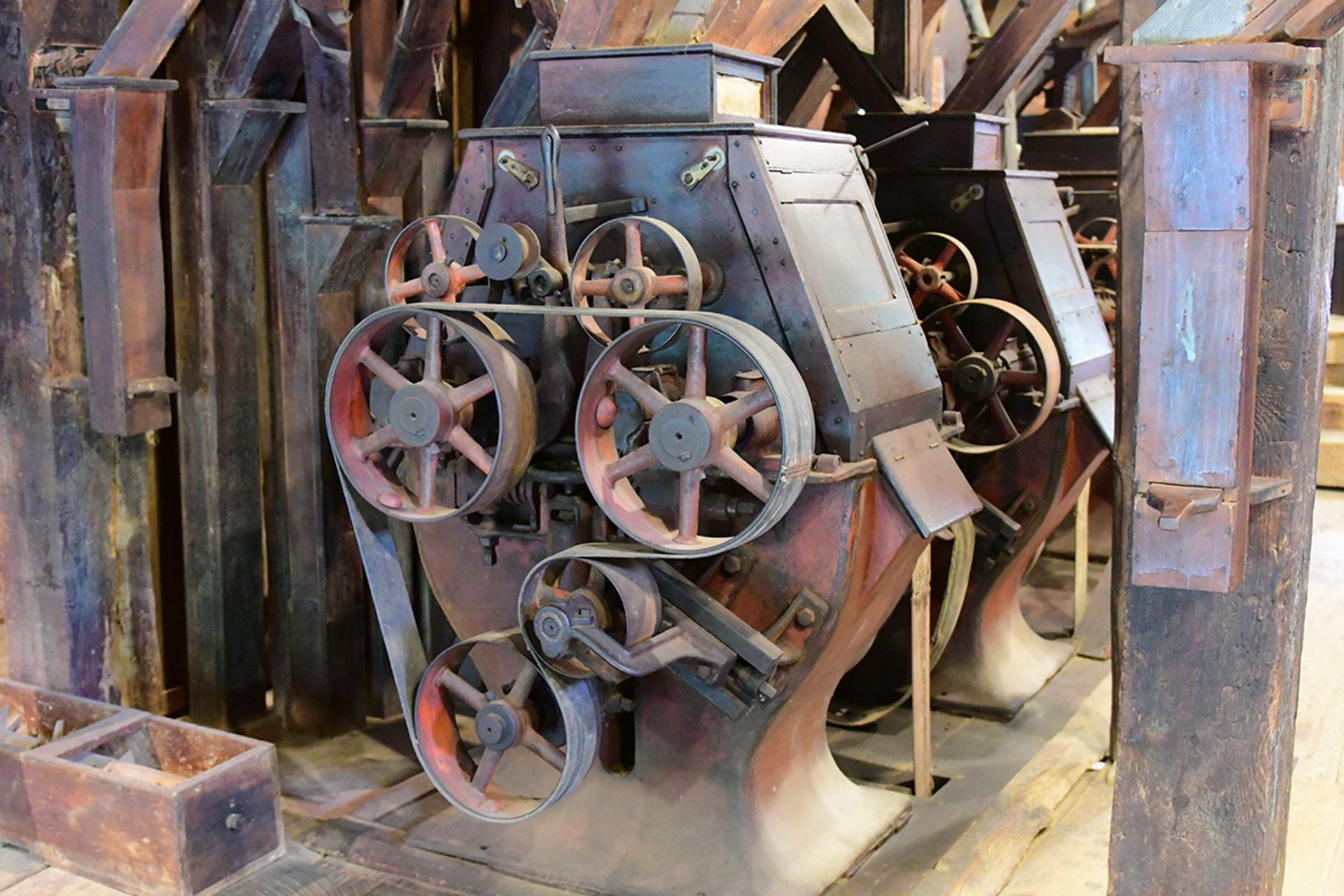
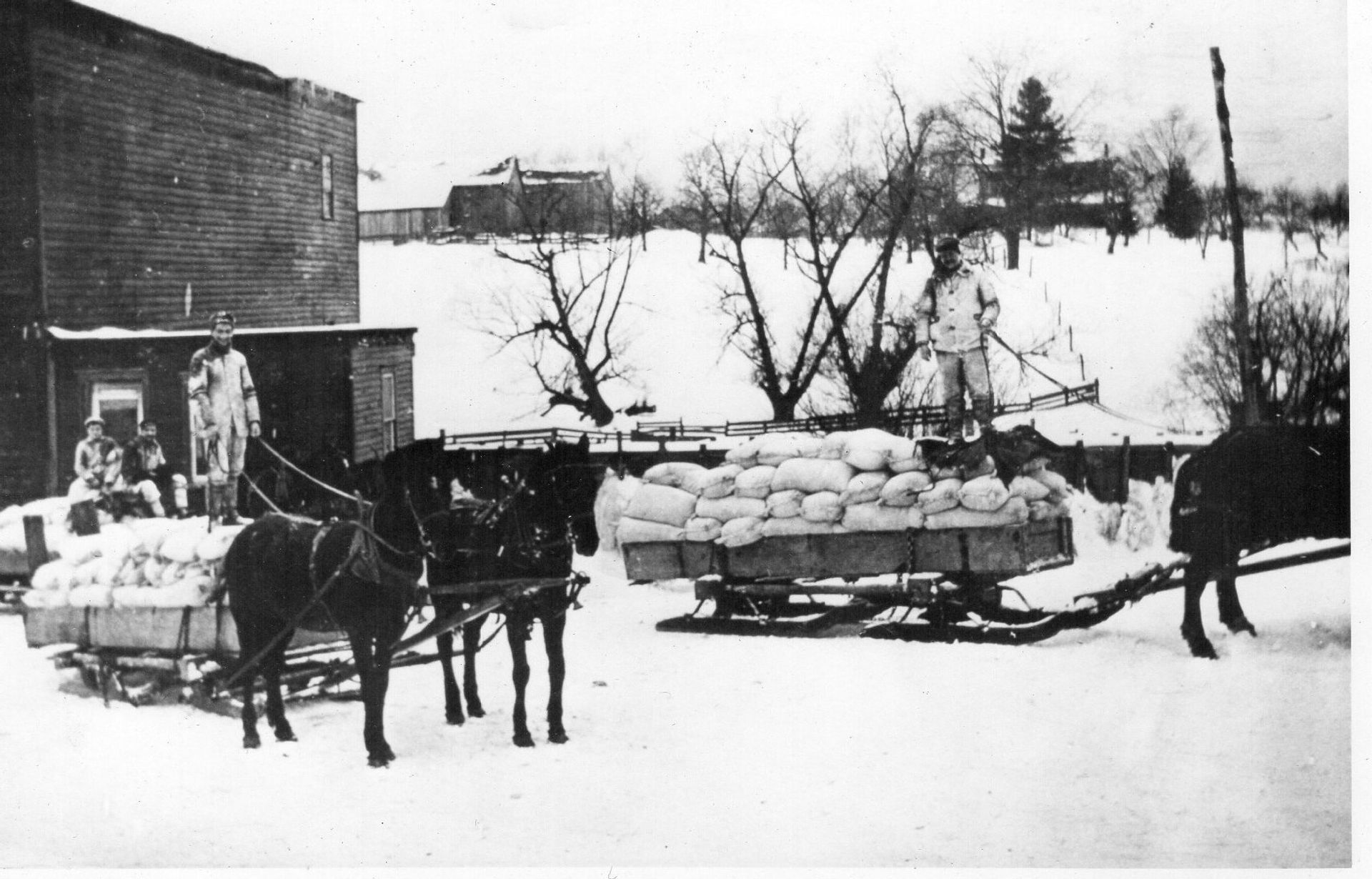
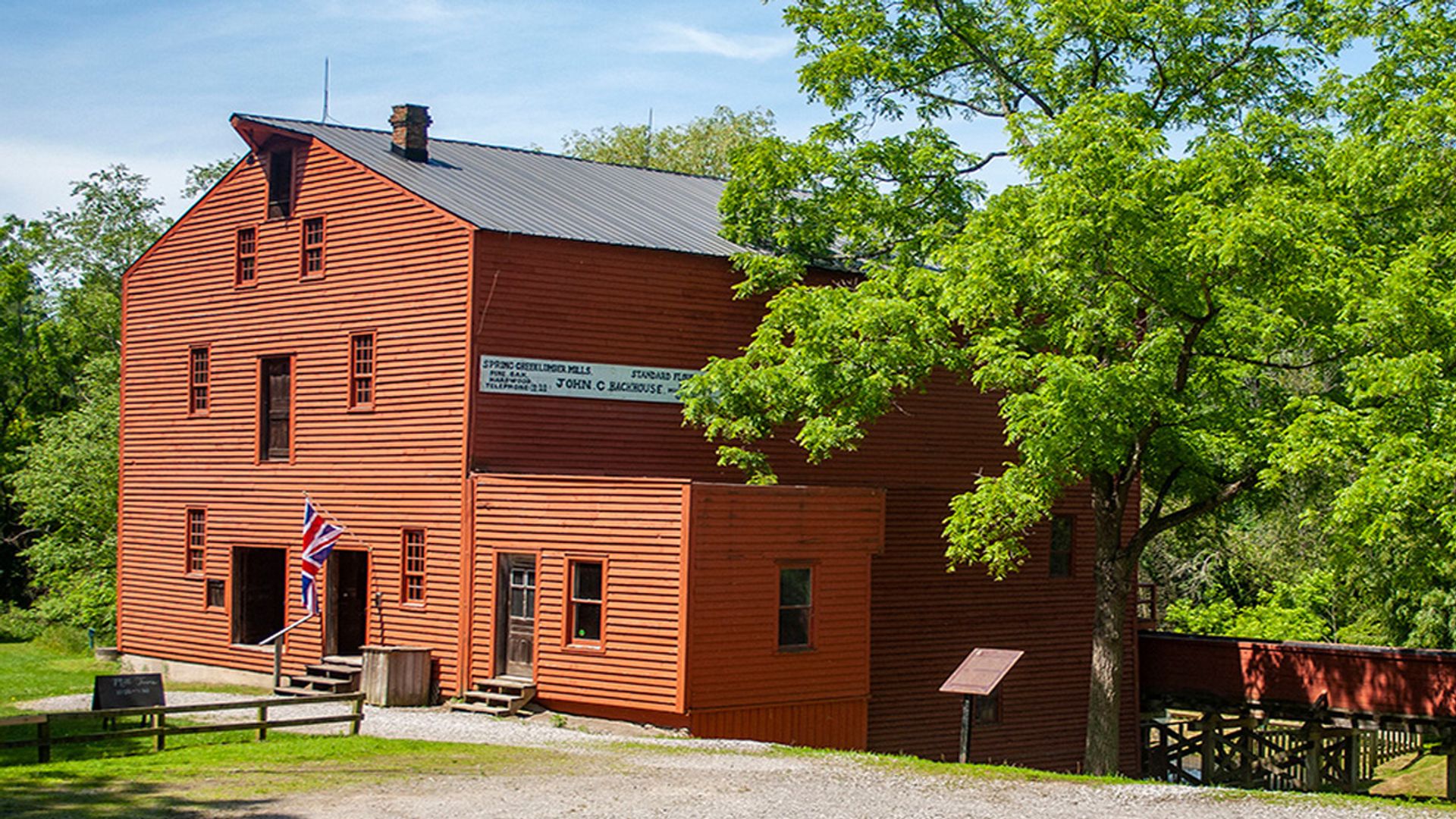
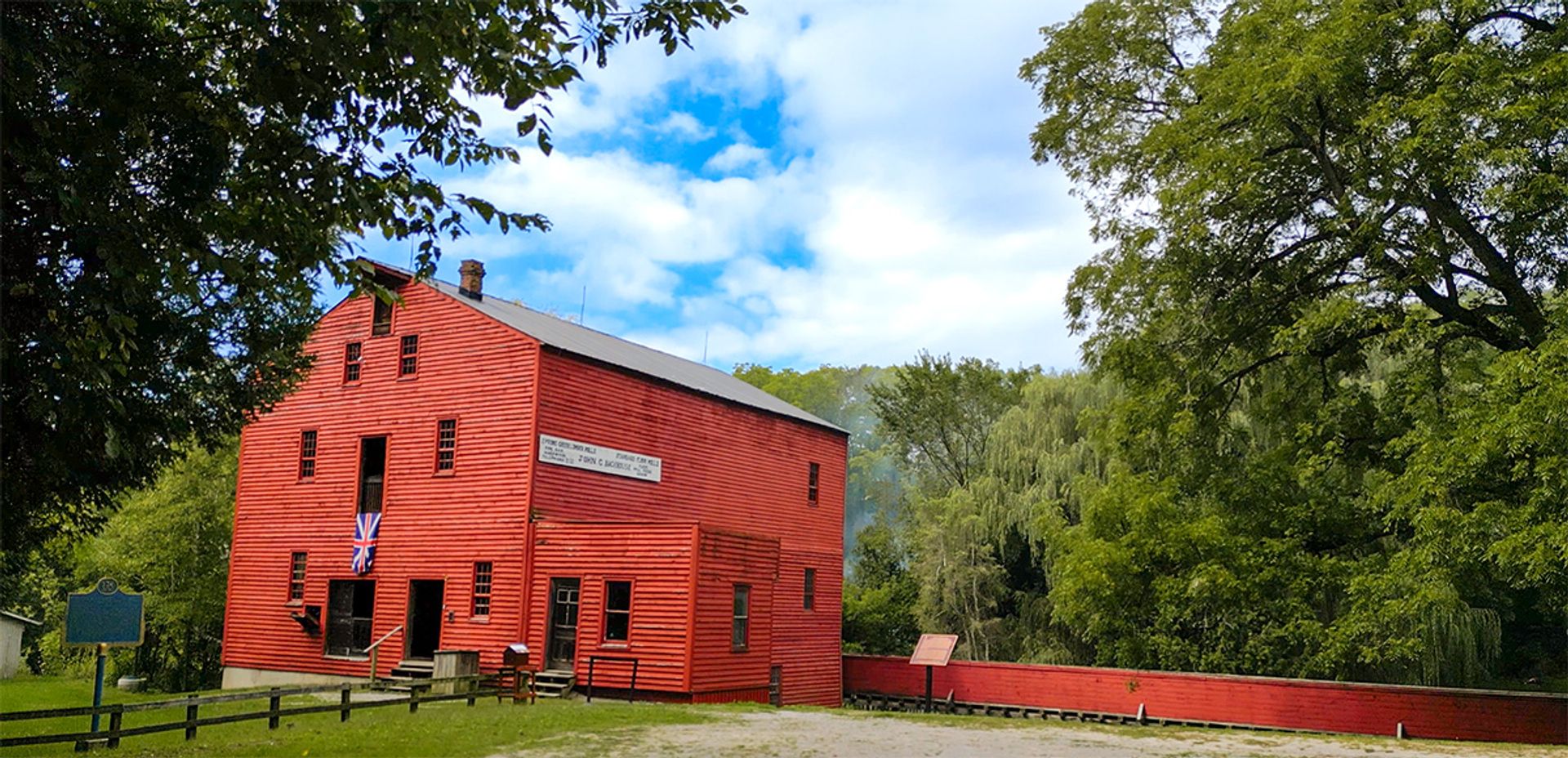
- The Backhouse Grist Mill, built in 1798, is an extraordinary National Historic Site housing two centuries worth of milling technology, including original machinery, along with an incredible family legacy. In our community, the Mill represents the hard work and resilience of local residents, exhibiting an era where farming families would take their grain to be milled into flour. Today, the Mill is the centerpiece of our historic village, where we host programs, tours, and community events. Unfortunately, we are left with the difficult decision to close the Mill to the public due to structural concerns. Winning the Next Great Save Competition would help us to kickstart repairs by getting a comprehensive engineer's report, begin shoring the building to stabilize it, and start improving the drainage surrounding the building. These actions must happen before any further restoration can begin, and it will give us the opportunity to make extensive progress in opening the Mill to the public once again.
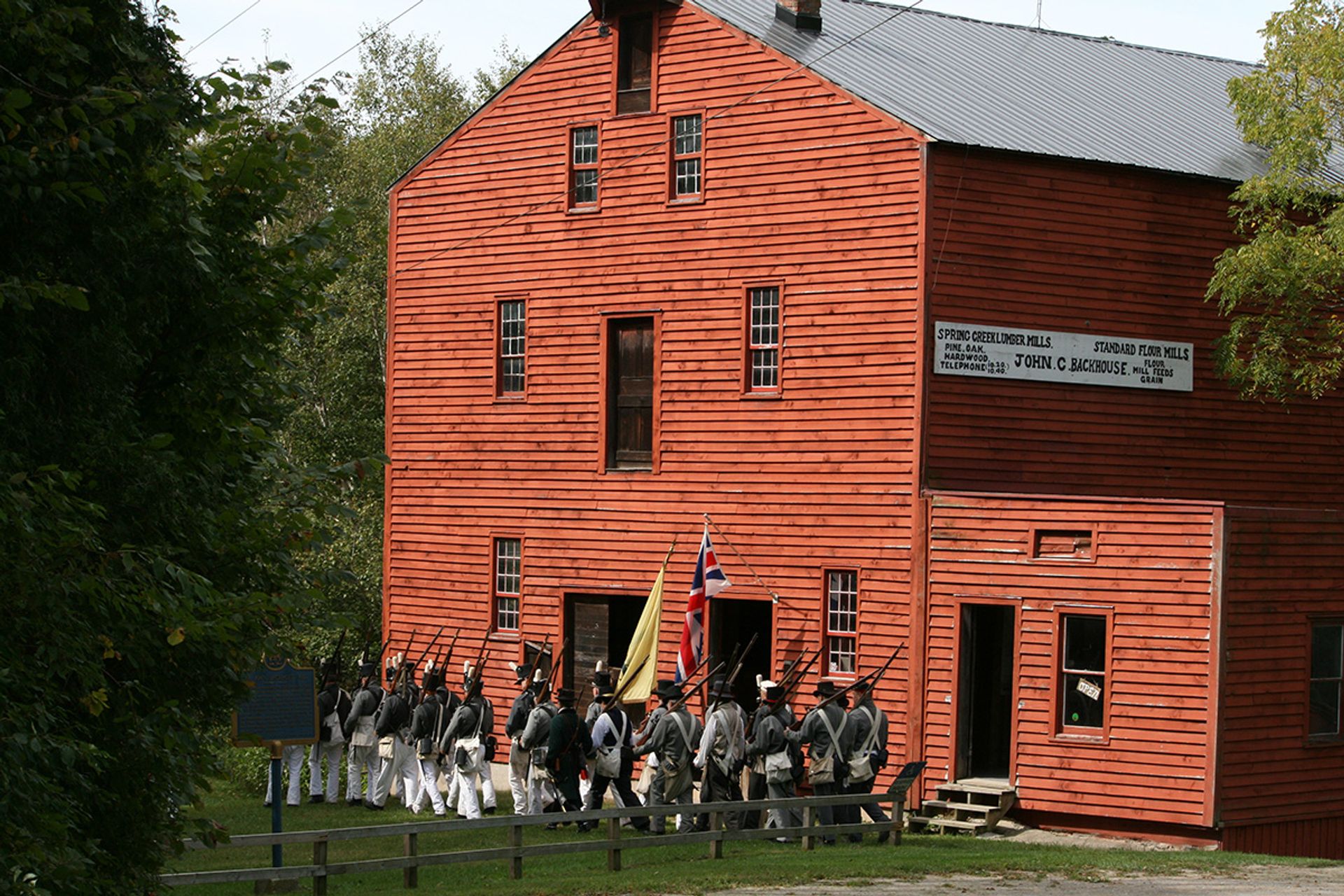
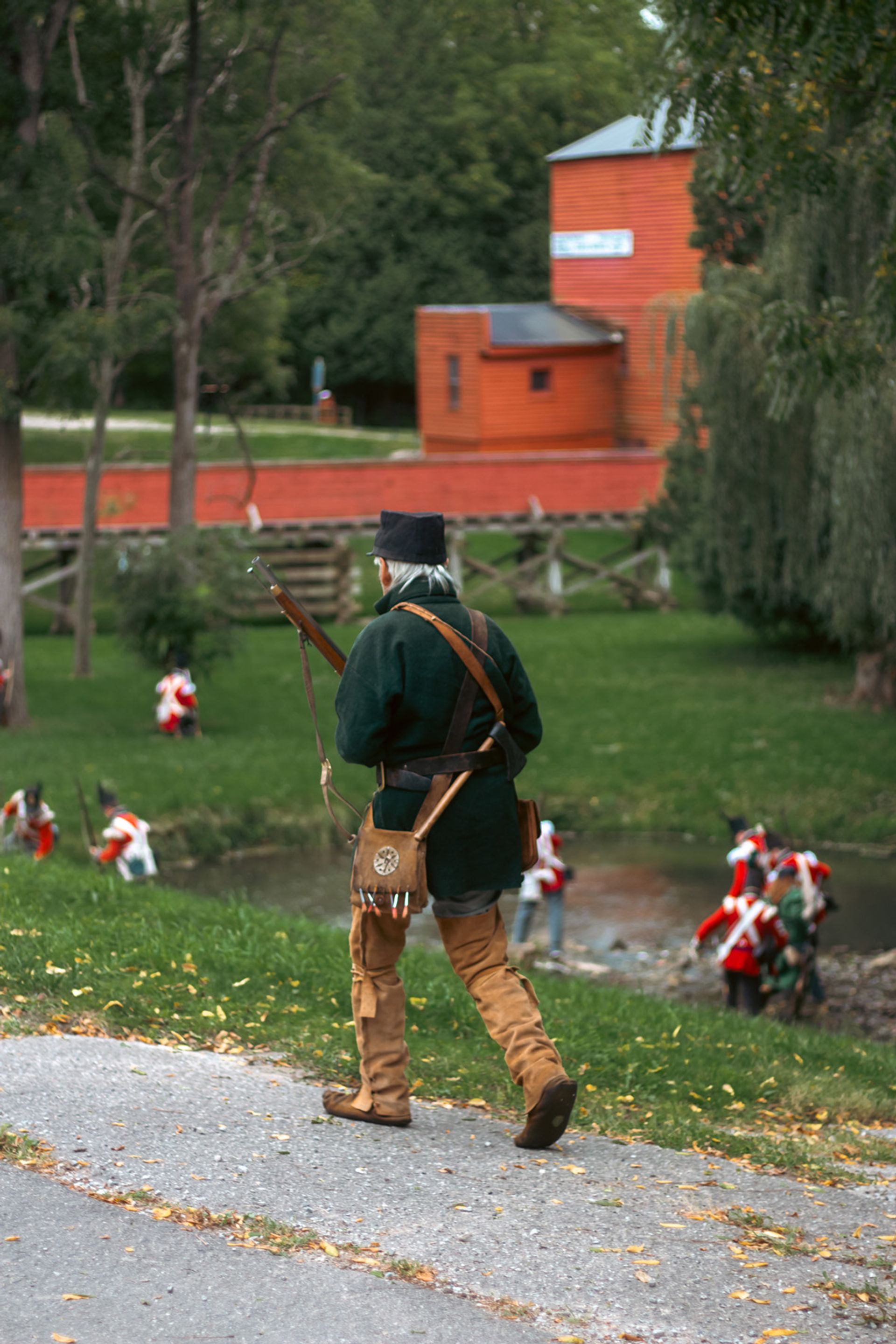
- The Backhouse Grist Mill is deeply-rooted in our local communities’ history, thus creating a place for people to share similar values and history. Oftentimes, when we host school field trips, we get comments from parents saying they remember coming to the Mill as a kid and how happy they are that their children can now experience it as well. When the Mill is repaired and open to the public again, we can ensure that this tradition amongst local families continue. Additionally, we offer tours of the interior, educating how the tools in the Mill would have been used to mill flour in the early 19th century. During our annual War of 1812 Re-enactment, the Mill acts as a vital backdrop for battles, with troops using it in their strategies. Saving the Mill preserves these traditions, supports heritage tourism, and strengthens local economic and cultural life. With your support, the Mill can keep inspiring our community for decades to come.
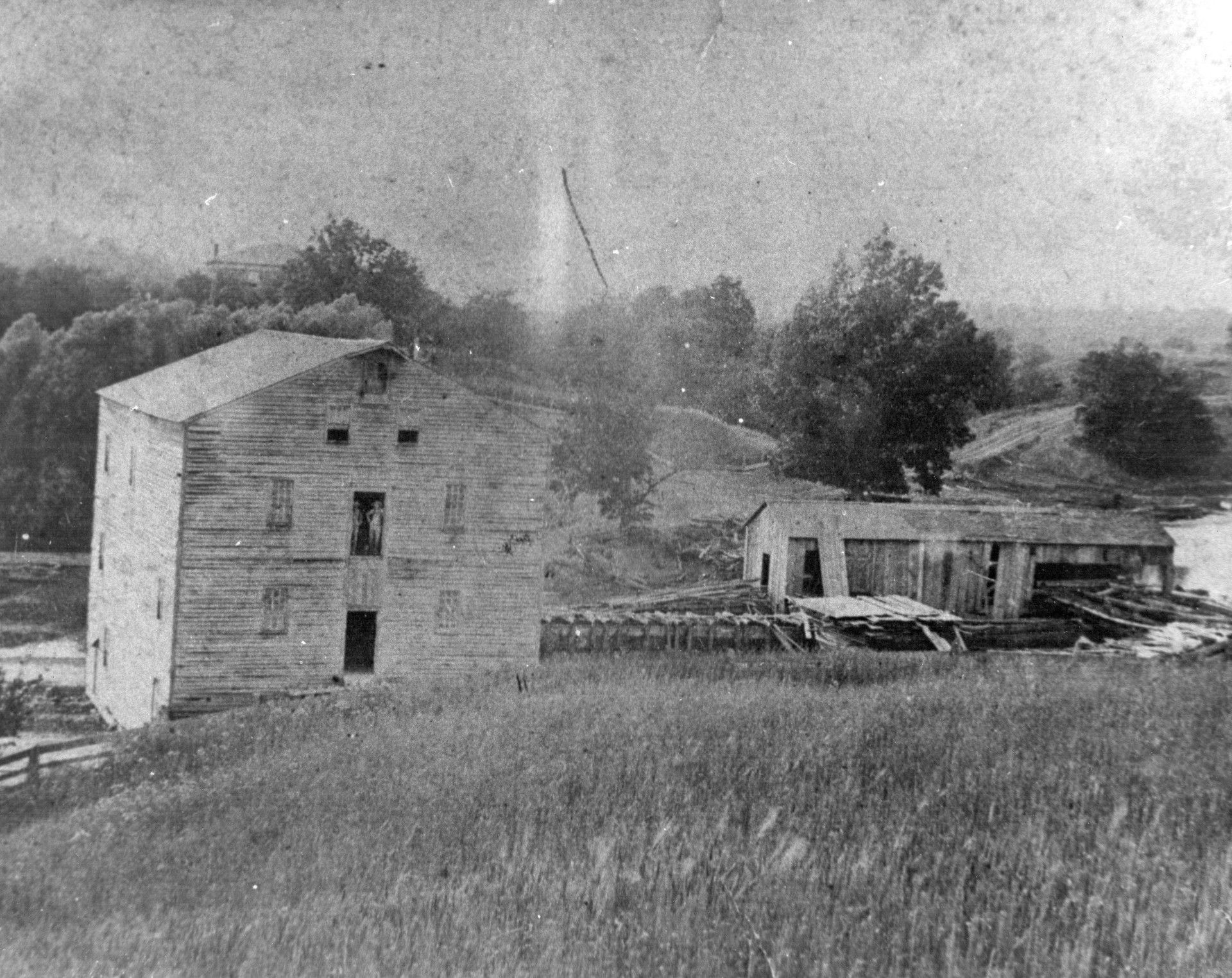
- In 1796, John Backhouse acquired 600 acres of land in Norfolk County, Ontario. By 1798, he built the Backhouse Grist Mill, producing flour and animal feed. Surviving over 200 years, the mill was last operated commercially by the Backus (Backhouse) family in 1956. The Mill showcases several generations of milling technology as better ways to make flour became available, acting as a time capsule of Backus history and technological advances. It is one of the oldest and rarest examples remaining in Canada of the small-scale, water-powered establishments in the 19th and early 20th centuries. It’s a miracle as to how the Mill has survived for so long. Flour itself is highly flammable, and during the War of 1812, many mills along Lake Erie were burned to the ground. There are a number of stories as to how the Backhouse Mill escaped destruction. Maybe the Norfolk Militia set up bonfires to fool the American troops into thinking the Mill was already burning. Maybe John Backhouse negotiated with the Americans to spare the Mill. Or perhaps the American troops simply did not find the mill. Whatever the reason, the Mill went on to serve the community for almost 160 years.
- https://www.lprca.on.ca/education-programming/backhouse-historic-site/